
MANILA— The Office of the Ombudsman has ordered the preventive suspension of three Department of Public Works and Highways (DPWH) officials over alleged irregularities in eight farm-to-market road projects worth more than P94 million in Davao Occidental, the Department of Agriculture (DA) said.
The orders, dated September 21, cover DPWH officials James Ryan A. Jabonero, Jonathan O. Relacion, and Zesrel P. Cuga. Their suspension will last until the conclusion of the proceedings but will not exceed six months. The orders are immediately executory upon service.
Agriculture Secretary Francisco P. Tiu Laurel Jr. welcomed the Ombudsman’s action, warning that unfinished roads undermine efforts to reduce farmers’ production and transport costs, lower food prices, and protect the country’s food supply.
Laurel led the filing of complaints on May 21 against several DPWH officials and private contractors for alleged graft and corrupt practices, malversation, and falsification of public documents involving the eight projects.
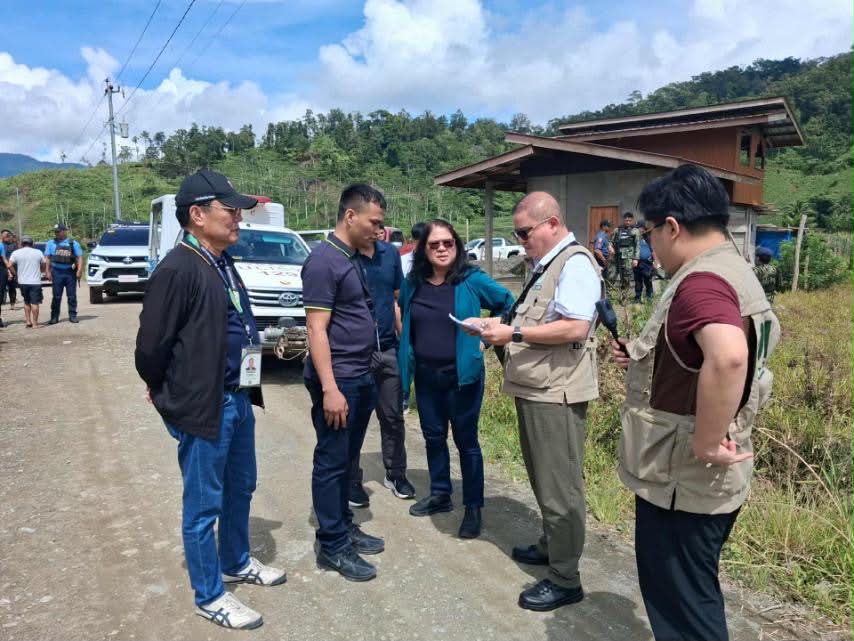
The DA alleged that some roads declared completed and fully paid for remained unfinished or showed little evidence of the work reported.
In one instance, a project reported as 100% complete was still under construction despite the release of full payment in 2023. In another, the DA’s Internal Audit Service found no graveled pathways, indicating that the project had not been completed.
Other respondents could no longer be placed under preventive suspension because they had already left government service. Rodrigo C. Larete, Harold John E. Villaver, Czar Ryan S. Ubungen, Michael P. Awa, and Jafel C. Faunillan were dismissed effective June 4, while Joel M. Lumogdang retired in May 2025.
The complaints also named private contractors Allen P. Borbon of Adan Builders Co., and Marvin Lata Cumbe and Honorio C. Cumbe of HVC Sagittarius Commercial & Construction.
Laurel said the cases highlight the DA’s commitment to ensuring that government infrastructure projects deliver their intended benefits to farmers and fisherfolk.
“For farm-to-market roads, these are our farmers and fisherfolk, whose faster access to markets means higher incomes, lower production costs, and stronger rural development,” he said.
Farm-to-market roads link agricultural production areas with trading centers, allowing farmers to transport crops more quickly, reduce hauling expenses, and minimize spoilage.
The DA said more efficient transportation can ease supply bottlenecks and help contain food prices, while reliable deliveries improve the availability of agricultural products in markets.
The department added that the cases underscore the need to ensure public infrastructure funds are used for their intended purposes.
The allegations remain subject to investigation and adjudication.




Leave a Reply