

MANILA— The Department of Agriculture (DA) has tightened its validation of technical descriptions in budget documents after discrepancies were found in the coordinates of proposed farm-to-market road (FMR) projects submitted for its 2027 budget.
Agriculture Secretary Francisco P. Tiu Laurel Jr. ordered a continuing review of project descriptions, supporting documents and validation procedures to ensure that information submitted by the agency is accurate, complete and technically verifiable.
The discrepancies were raised by civil society groups, including the People’s Budget Coalition, BetterGov.ph and BistoProyekto, during a Senate hearing on the DA’s proposed 2027 budget.
An initial review traced the errors to encoding and typographical mistakes. The DA, however, said it would take responsibility for correcting inaccurate information originating from the agency.
Following the hearing, Undersecretary for Infrastructure and Agro-Marine Logistics Arrey A. Perez, acting on Tiu Laurel’s instructions, met with Kenneth Abante of the People’s Budget Coalition, Dondon Parafina of BistoProyekto.ph and Bureau of Agriculture and Fisheries Engineering Director Cristy P. Pilido to discuss the discrepancies.
The meeting identified eight entries out of 1,669, or less than 1%, with coordinate discrepancies that placed the projects outside their intended locations. A closer examination found that one or two digits in the coordinates had been mistyped.
The DA and the civil society groups agreed to conduct internal, cross-agency and third-party reviews of project documents to identify procedural gaps and strengthen controls in their preparation, checking and submission.
The DA also enlisted the groups to independently verify the coordinates of FMR projects flagged for errors.
“We are reviewing the data and working with civil society groups to make sure the technical descriptions are accurate and verifiable,” Tiu Laurel said.
“If there are errors in the technical descriptions, whether typographical or otherwise, we will take responsibility and correct them. Public funds must go to the projects they are intended for,” he added.
Tiu Laurel said the review would also examine the agency’s processes to prevent similar errors from recurring.
“Ginagampanan ng Kongreso ang tungkulin nito sa budget. Tungkulin naman ng DA na tiyaking tama, kumpleto at beripikado ang mga dokumentong ipinapasa namin,” he said.
He stressed that Congress retains its constitutional authority over the national budget, while the DA is responsible for ensuring the accuracy and verifiability of the technical information it submits.
The agency will continue coordinating with the House of Representatives, Senate and other concerned agencies as it verifies project descriptions and makes corrections in accordance with budget rules.
Tiu Laurel also directed the DA to strengthen geotagging, internal review and third-party validation through initiatives such as the FMR Watch portal and citizen monitoring.
The implementation of FMR projects was recently returned to the DA after more than a decade under the Department of Public Works and Highways (DPWH).
Transparency and accountability measures
Meanwhile, the DA said civil society groups had commended its efforts to promote transparency in identifying and validating FMR projects through the publicly accessible FMR Road Watch portal.
The portal allows the public to monitor road projects in their districts and across the country, including their completion rates, coordinates and contractors. It also allows users to upload project photos in real time.
Abante said the group welcomed the initiative and recommended expanding its collaboration with the BistoProyekto network.
“We commend the DA for their Farm-to-Market Road watch and we recommend that we strengthen and explore opportunities with our Bisto Proyekto network,” he said during the Senate hearing.
Perez welcomed the proposal, saying civil society participation could help strengthen public accountability and serve as an additional layer of project monitoring.
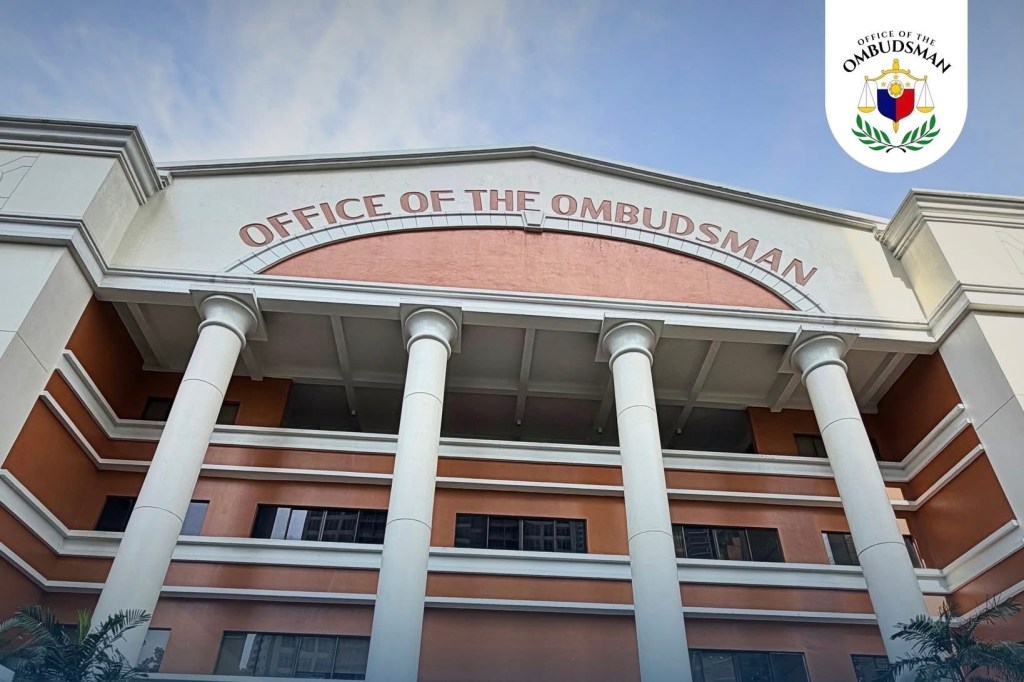
The DA also cited its investigation into alleged ghost FMR projects in Davao Occidental, which led the Office of the Ombudsman to place several DPWH officials under preventive suspension over projects worth PHP94 million.
The complaints, which Tiu Laurel personally led the filing of, also included the private contractors involved in the projects. The investigation covered FMR projects implemented in previous years, before his term.
The DA alleged that the projects had been declared complete and fully paid despite findings during actual inspections that they remained unfinished or showed little evidence of work.
In one case, records indicated that a project reported as 100% complete was still under construction despite the full payment being released in 2023.
In another, the DA’s Internal Audit Service found no graveled pathways, indicating that the project had not been completed.




Leave a Reply