
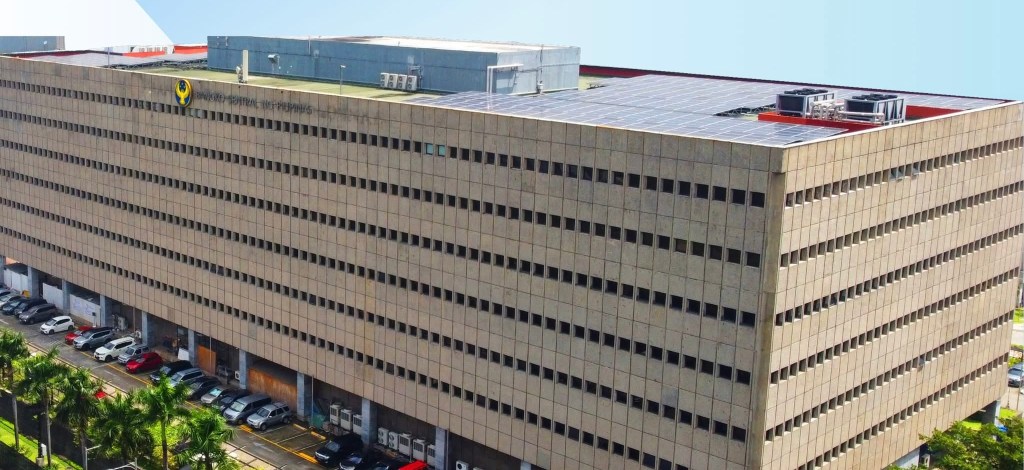
MANILA— The country’s gross international reserves (GIR) declined to US$98 billion at the end of October 2026, mainly due to the Bangko Sentral ng Pilipinas’ (BSP) net foreign exchange operations, lower global gold prices and the national government’s foreign currency withdrawals.
The BSP attributed the decline to downward valuation adjustments, primarily involving gold, as well as the national government’s withdrawals from its deposits with the central bank to service external debt and meet other funding requirements.
Despite the decrease, the latest reserve level remains sufficient to cover the country’s import requirements and external debt obligations while providing a buffer against external economic shocks.
The reserves are equivalent to 6.1 months’ worth of imports of goods and payments for services and primary income. They can also cover approximately 3.2 times the country’s short-term external debt based on residual maturity.
Meanwhile, the country’s overall balance of payments (BOP) posted a US$1.5-billion deficit in October, bringing the cumulative shortfall from January to October 2026 to US$10.6 billion.
The year-to-date deficit was wider than the US$4.6-billion shortfall recorded during the same period in 2025.
The BSP attributed the cumulative BOP deficit to the continued trade in goods shortfall and net outflows from foreign portfolio investments.
These were partly offset by sustained net inflows from overseas Filipino workers’ personal remittances, national government foreign borrowings, trade in services and foreign direct investments.



Leave a Reply