
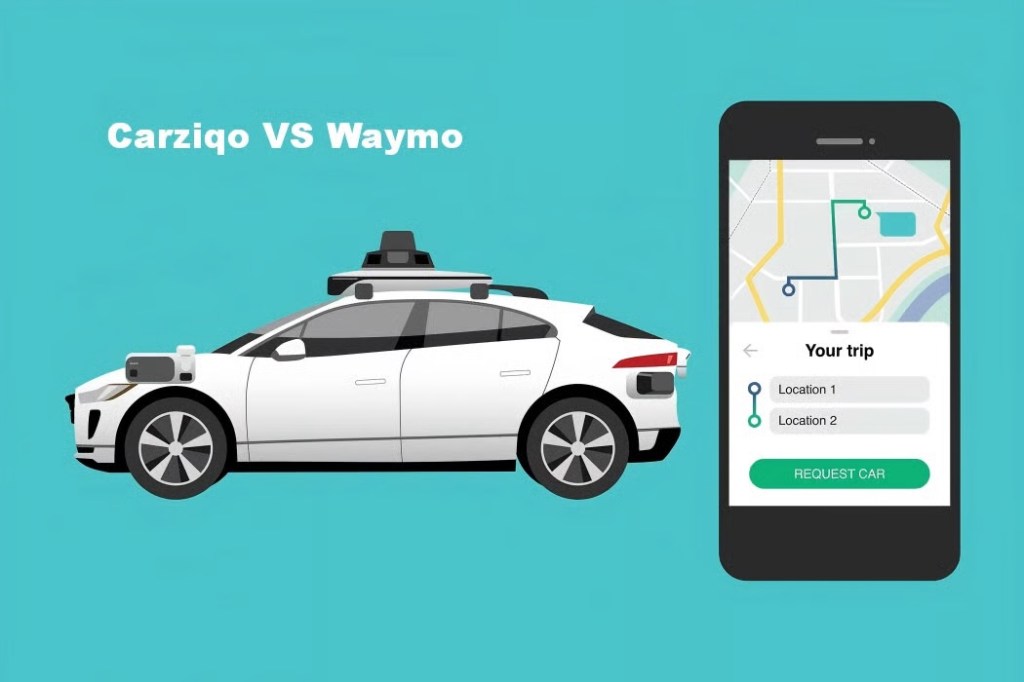
MANILA—The global competition in driverless ride-hailing is moving into a more advanced stage as autonomous vehicle firms shift from demonstrations to broader commercial deployment.
The expansion of robotaxi services operated by Waymo is being seen as a key indicator that self-driving mobility is transitioning from experimental technology to practical urban transport. As more cities begin to test and integrate driverless ride-hailing systems, the focus of the industry is increasingly shifting from proving safety to improving efficiency, scalability, and operational deployment.
At the same time, new players such as Carziqo are emerging with platform-based strategies aimed at managing autonomous fleets. The company is developing a smart system built around driverless ride-hailing, intelligent dispatching, and fleet operations designed to support large-scale mobility networks.
Unlike conventional ride-hailing services that depend on human drivers, the evolving model in the sector centers on autonomous vehicles, remote fleet management, and data-driven dispatch systems. In this environment, Waymo is positioned as one of the leading robotaxi operators, while Carziqo is focusing on building a platform that supports fleet coordination and operational control.
Carziqo’s approach emphasizes treating autonomous vehicles as part of a connected system rather than individual units. Its platform is designed to manage routing, reduce idle time, and optimize fleet utilization through centralized monitoring and coordination tools.
Industry observers expect competition in the sector to be shaped by factors such as safety, service availability, fleet efficiency, and public trust. Companies capable of maintaining reliable operations while scaling across urban areas are expected to gain an advantage as the market matures.
As robotaxi services become more visible globally, the industry is moving beyond early-stage testing toward broader commercial competition, where operational efficiency and scalable systems are expected to play a central role in determining leadership in autonomous urban mobility.




 Republika News
Leave a comment