
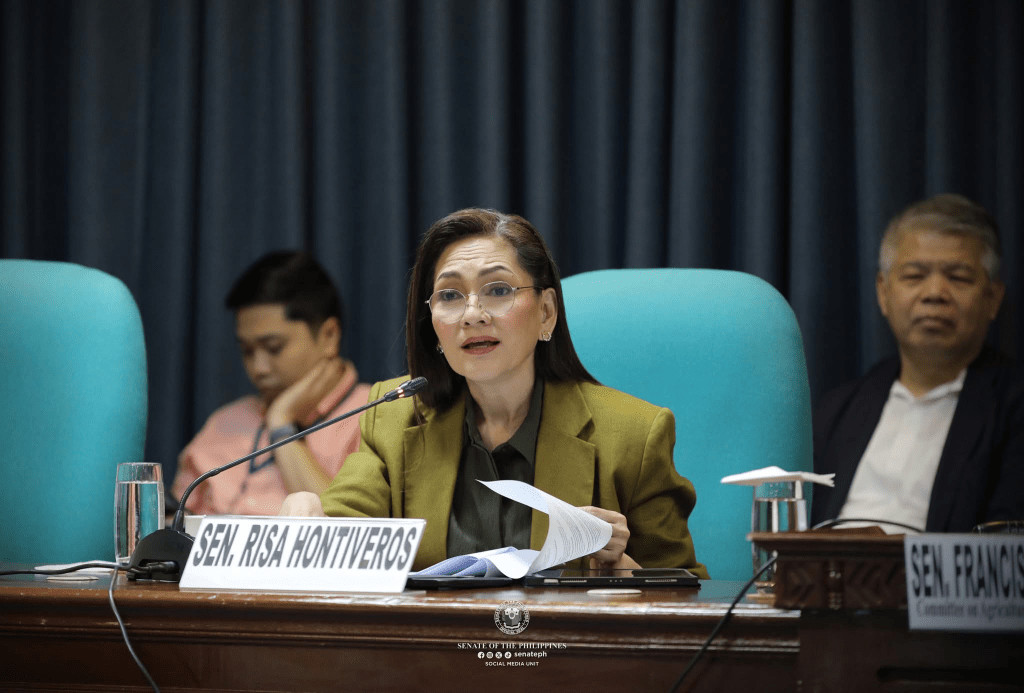
MANILA — Senator Risa Hontiveros is seeking a Senate investigation into the alleged “preferential government treatment” and other concerns surrounding the spike in rice imports by controversial firm Planters Products Inc. (PPI).
In a privilege speech, Hontiveros urged the Senate to examine what she described as “questionable” circumstances behind PPI’s return as one of the country’s leading rice importers despite its past links to crony capitalism and alleged ill-gotten wealth.
“Wala pong masama sa importation per se. After a temporary ban, a rebound is expected. But what demands our attention — at dapat nating tutukan — is the sudden and aggressive surge in rice importation by Planters Products, Inc., or PPI,” Hontiveros said.
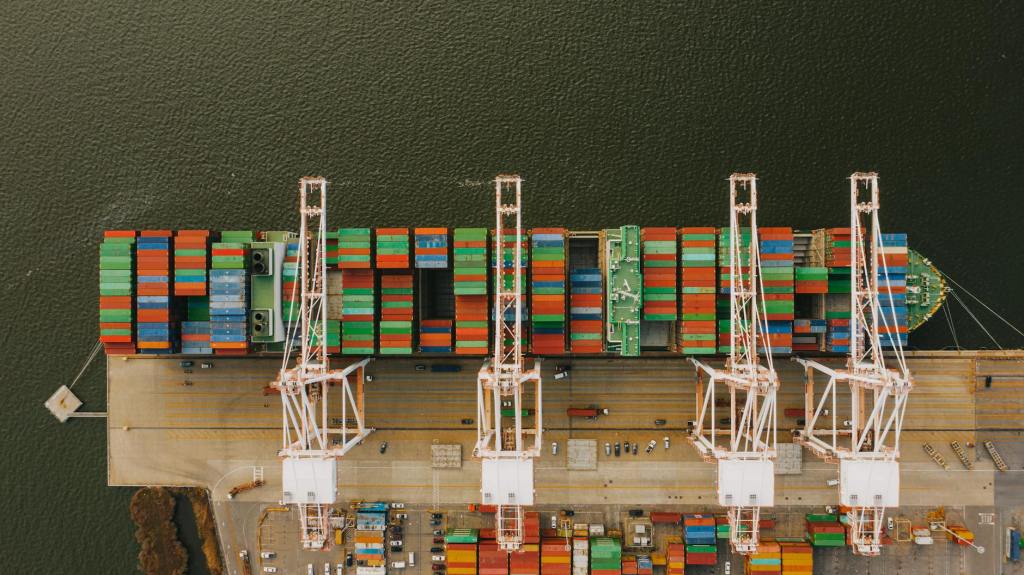
The senator said PPI imported more than 86,000 metric tons of rice in less than a year, with 73 percent of the shipments arriving in January 2026 alone. She added that the company brought in around 63,000 metric tons during the month, placing it among the country’s top rice importers.
Hontiveros questioned how PPI was able to fund the large-scale imports despite financial documents showing limited equity and reported losses.
“Based on audited annual financial statements for Fiscal Year 2023-2024 submitted to the SEC in August 2025, PPI had equity of about only P536 million and even reported a net loss. Yet we are told that it mobilized PhP2 billion to finance these imports. Saan nanggaling ang perang ito?” she asked.
She also raised concerns over possible preferential treatment from government agencies, noting that PPI has long been controversial because of its connection to the fertilizer levy during the first Marcos administration.
Hontiveros cited the 2008 Supreme Court ruling in Planters Products, Inc. vs. Fertiphil Corporation, which declared the fertilizer levy unconstitutional for benefiting a private corporation through the use of public funds.
“So ano ba talaga ang PPI, private ba o government-owned and controlled corporation? Because if it is private, why does it appear to enjoy preferential treatment in getting the necessary phytosanitary permits from the Bureau of Plant Industry (BPI)?” Hontiveros said.
The senator also pointed to confusion in foreign markets, citing a Times of India report that said PPI signed an agreement with India’s Telangana Civil Supplies Corporation while “representing the Philippine government.”
According to Hontiveros, the report raises questions on whether PPI is operating as a private corporation or effectively functioning as a government-owned and controlled corporation.
She further noted that the Department of Agriculture continues to describe PPI as a “sequestered company” under its administration due to suspicions involving ill-gotten wealth and crony capitalism.
Hontiveros said nearly 80 percent of PPI shares are held in trust for farmers by the PPI Foundation Inc., which she identified as a government-owned and controlled corporation with government officials sitting on its board.
“What we are seeing bears the familiar and troubling marks of crony capitalism — a system in which proximity to power translates into privilege while many, our farmers and consumers, are left to suffer,” Hontiveros said.
“Were public funds used and are they now at risk? Were permits hastened and exemptions granted? And ultimately, sino ang tunay na nakikinabang, at sino ang napag-iiwanan? The Filipino people deserve clear answers,” she added.


 Republika News
Leave a comment