
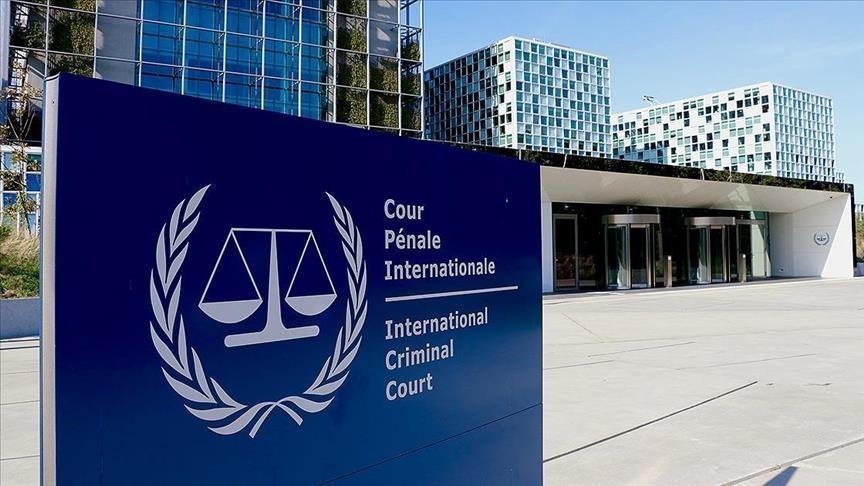
MANILA — Supreme Court Associate Justice Alfredo Benjamin Caguioa has said there is no need for an arrest warrant issued by a Philippine judge to effect arrests in cases under the jurisdiction of the International Criminal Court (ICC).
In a report, it said that Caguioa made the statement in his 20-page concurring opinion supporting the Supreme Court’s denial of Senator Ronald “Bato” dela Rosa’s request for a temporary restraining order (TRO) and/or status quo ante order (SQAO) over his possible arrest based on an ICC warrant.
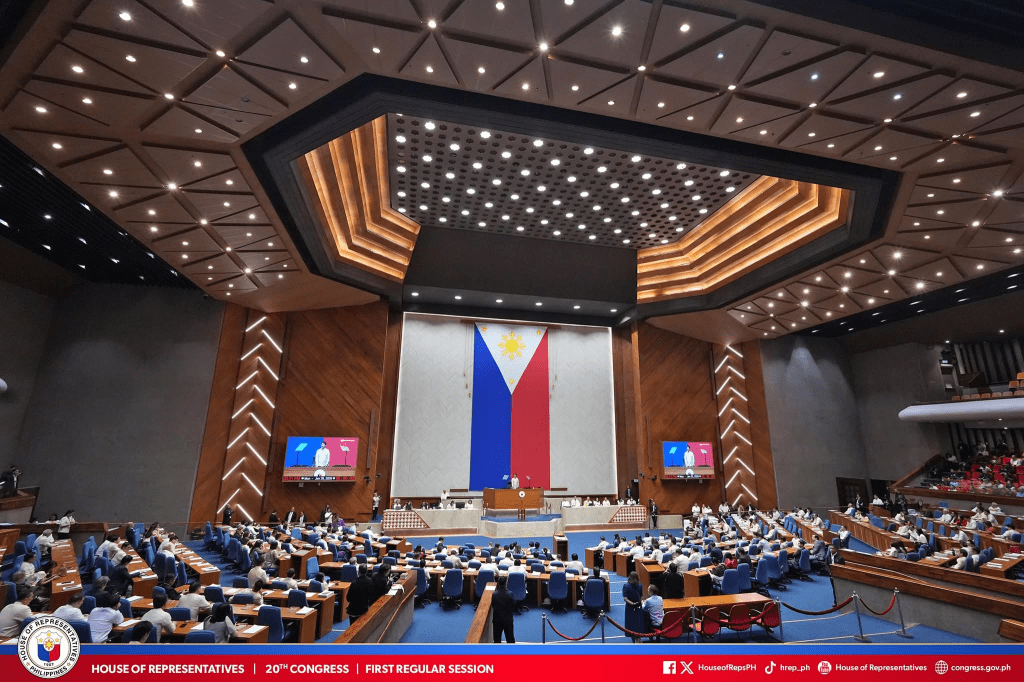
On May 20, the SC En Banc voted 9-5-1 in a special session to deny Dela Rosa’s petition for interim relief.
Caguioa was among four justices who issued separate concurring opinions supporting the denial, along with Senior Associate Justice Marvic Leonen, Associate Justice Rodil Zalameda, and Associate Justice Maria Filomena Singh.
He addressed arguments that an ICC arrest warrant is not self-executing in Philippine territory because it was not issued by a local judge who independently determined probable cause.
Caguioa rejected this view, saying it incorrectly assumes that a Philippine court must issue the warrant.
“That may be true from a purely domestic standpoint, but considering the developments in international law, it is unreasonable to interpret the requirement of a warrant in a very limited sense of being required to be issued by a Philippine court or judge,” he said.
He added that by becoming a state party to the Rome Statute, the Philippines recognized that domestic courts “may not supplant the ICC’s wisdom” in determining the validity of arrest warrants issued by the international tribunal.
“In instances of a warrant issued by the ICC… it is clear that there is no need for a separate warrant from a Philippine judge in order to effectuate an arrest for cases cognizable by the ICC,” he said.
Senior Associate Justice Marvic Leonen, in a separate opinion, said courts generally do not issue writs to stop criminal prosecutions before they begin, adding that legal remedies remain available after arrest, including habeas corpus.
Associate Justice Rodil Zalameda said Dela Rosa failed to show a clear legal right to justify court intervention and cited Republic Act No. 9851 as allowing surrender under certain circumstances, while emphasizing foreign relations concerns.
Associate Justice Maria Filomena Singh said the request for injunctive relief lacked urgency and noted that the senator’s conduct showed he engaged legal processes “based on his convenience.”
She added that an ICC warrant may trigger domestic cooperation mechanisms and stressed that accountability remains central in the case.
The concurring justices also noted that Dela Rosa may still pursue remedies before the ICC or challenge jurisdiction and admissibility of the case, while domestic legal remedies remain available depending on developments.


 Republika News
Leave a comment