
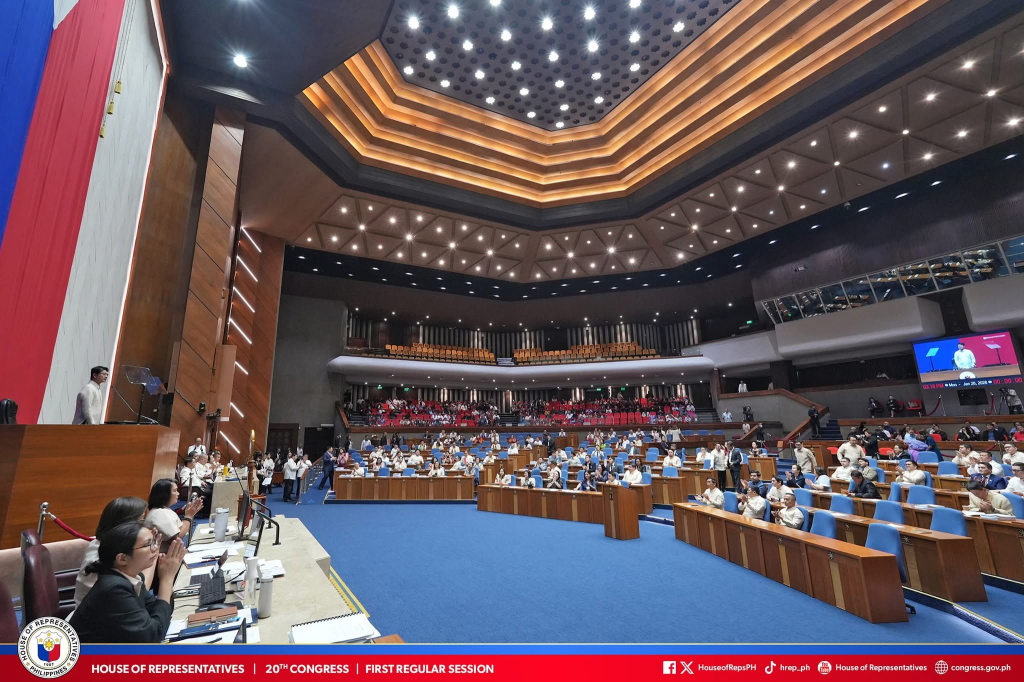
MANILA — Members of the academe, including a former member of the 2018 Consultative Committee that reviewed the 1987 Constitution, said the approval of an anti-political dynasty bill on third reading at the House of Representatives marks a significant development in efforts to fulfill the constitutional mandate against political dynasties.
Prof. Eddie Alih, former chancellor of the Mindanao State University at Tawi-Tawi and member of the 2018 Consultative Committee, said this is the first time in 39 years that an anti-dynasty measure has survived plenary deliberations in the House.
“This is an encouraging development. Regardless of what the bill proposes, hurdling plenary debate in a legislature dominated by political dynasties signals that we may eventually have a law that regulates political dynasties,” said Alih, who was part of the body that proposed stronger anti-dynasty provisions in earlier constitutional review efforts.
The anti-dynasty proposal is among the 21 priority bills identified in the legislative agenda of President Ferdinand R. Marcos Jr., which was agreed upon with the Legislative-Executive Development Advisory Council last February.
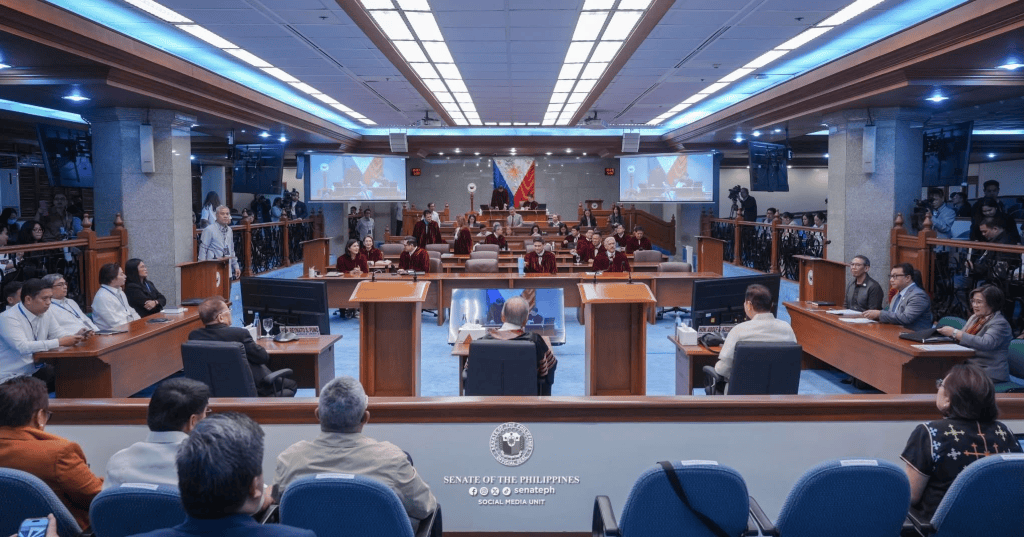
The Senate has yet to approve its own version of the measure.
Prof. Edna Co, former dean of the University of the Philippines National College of Public Administration and Governance, said both versions of the bill have opened key areas for discussion.
“I guess the two versions could be sent to sail off, after which whatever could be harmonized should be done,” Co said, adding that she favors the Senate version due to its “defined key terms, concepts, scope, and limits.”
“Once the Senate passes its version, then the bicameral conference committee can work on reconciling their provisions to come up with a final law,” Alih said.
Alih also noted that once both chambers pass their versions, a bicameral conference committee would be tasked to reconcile the provisions into a final measure.


 Republika News
Leave a comment