
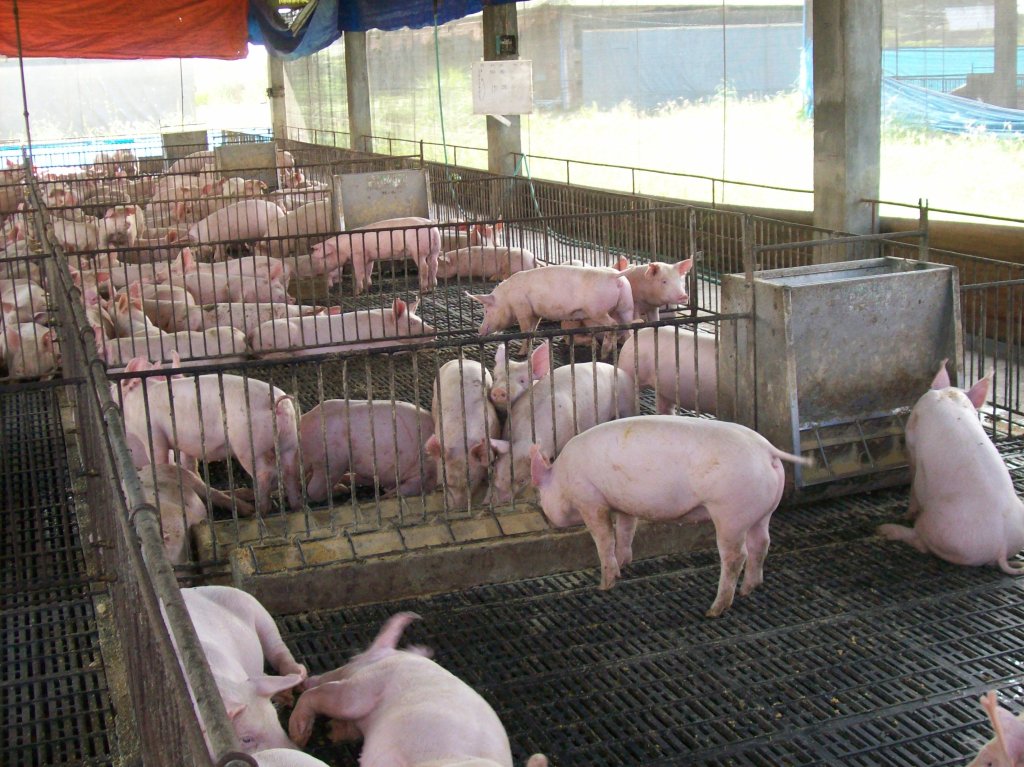
MANILA – Fear of another African swine fever (ASF) outbreak has prompted hog raisers to sell their animals earlier than planned, increasing pork supply and driving farmgate prices lower, Agriculture Secretary Francisco P. Tiu Laurel Jr. said.
Tiu Laurel said the decline was also partly a result of increased hog production after high pork prices last year encouraged raisers to expand their operations.
“Last year, there was also an ASF outbreak, and pork prices rose sharply,” Tiu Laurel said, noting that liempo reached P450 to P490 per kilo while kasim rose to around P400.
The higher prices prompted producers to raise more hogs, resulting in increased supply this year. But with the rainy season approaching, concerns over another ASF outbreak pushed many raisers to bring their animals to market earlier than intended.
“Rather than risk getting hit by ASF, or having an outbreak occur next door, they want to sell everything before they are affected,” Tiu Laurel said.
He described the early selling as a “fastbreak,” saying it was the main reason for the decline in farmgate pork prices rather than a surge in imports.
The Agriculture Department found a similar trend in Mindanao, where hog prices also declined despite limited entry of imported pork into the region. The department’s investigation showed that local raisers rushing to sell their animals was the primary factor behind the price drop.
Philippine Statistics Authority data showed that pork production increased 5.6 percent in the second quarter to 412,280 metric tons. Despite higher output, average farmgate prices fell nearly 19 percent to P172.44 per kilo from P211.91 a year earlier.
Meanwhile, the Bureau of Animal Industry projected that total pork imports this year could decline by around 50,000 metric tons from the 851,760 metric tons recorded in 2025.
The projected decline was attributed to higher domestic production and the higher volume imported by food processors last year.
The pork market could undergo another shift following the BAI’s approval of the commercial rollout of an ASF vaccine.
Tiu Laurel said the vaccine could encourage hog raisers to increase production in the coming months, helping stabilize domestic supply and gradually reduce the country’s dependence on imported pork.
The government is also constructing the country’s first ASF vaccine manufacturing laboratory at Central Luzon State University, with completion expected next year.
Tiu Laurel said local vaccine production would strengthen food security and help make the livestock industry more self-reliant.
The developments are expected to help address the boom-and-bust cycle that ASF has imposed on the hog industry, where high pork prices encourage production expansion but disease fears can prompt sudden liquidation and cause sharp fluctuations in supply and prices.
The latest price decline could provide relief to consumers, while the availability of ASF protection may determine whether hog raisers regain enough confidence to sustain production expansion and support a more stable domestic pork supply.





Leave a Reply