
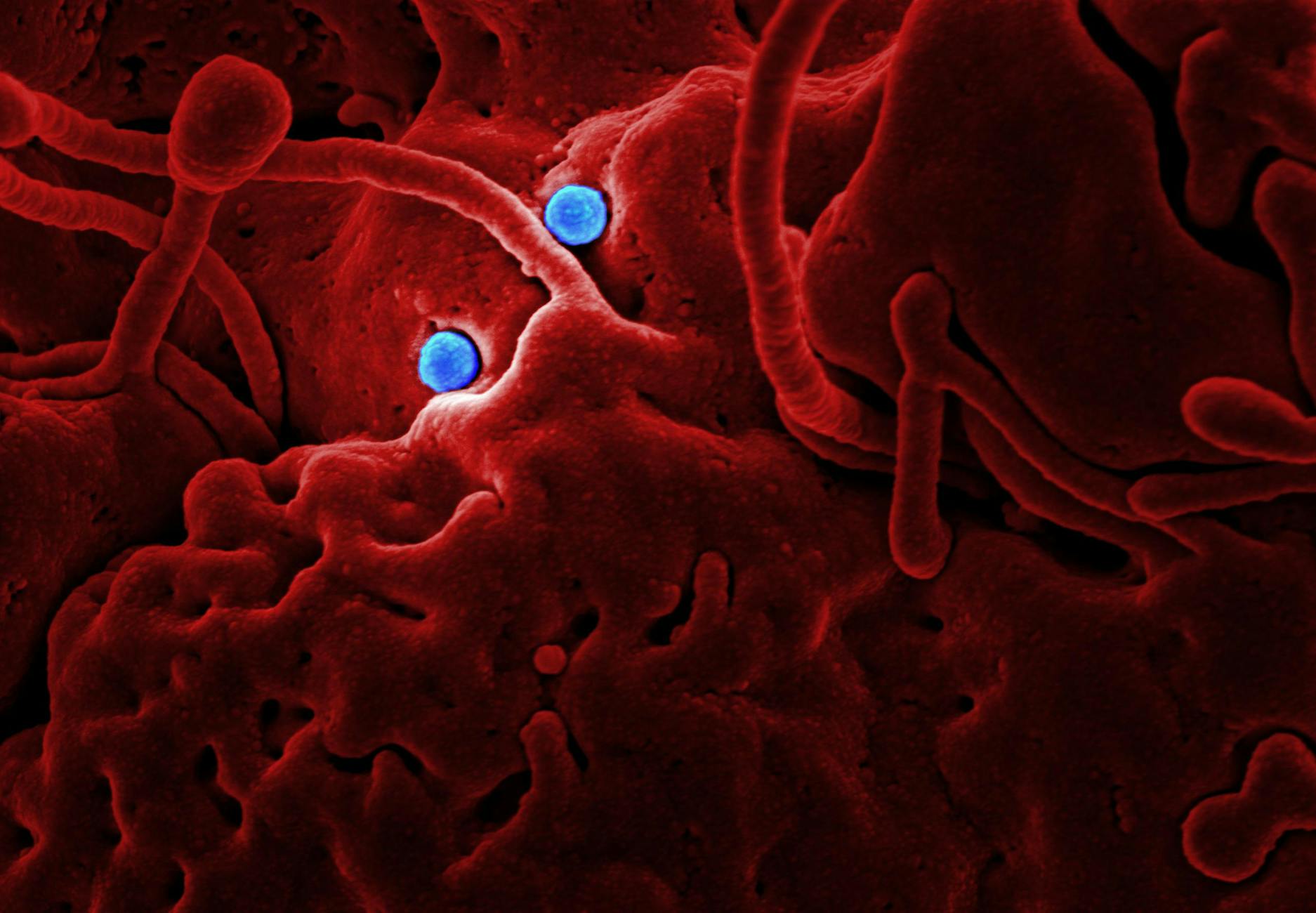
MANILA — The Department of Health (DOH) on Friday said it is closely monitoring the developing hantavirus situation linked to the cruise ship Hondius and has started preparing laboratories and quarantine systems in case of possible local cases.
DOH spokesperson Dr. Albert Domingo said the agency has been tracking the situation even before it was publicly reported, through alerts from the World Health Organization’s (WHO) International Health Regulations (IHR) system.
“DOH is monitoring the situation. We are preparing for all eventualities. It doesn’t harm anyone to be ready for any eventualities,” Domingo said in an interview with ANC.
“So, in the past few days since the news broke, and mind you the DOH has been aware even before it was announced because we do get alerts from the WHO, IHR system. We have been monitoring this since last week,” he added.
Domingo stressed that hantavirus is not a new disease and remains relatively rare.
“Hantavirus is not a new virus. It’s been known already. It’s relatively rare,” he said.
He explained that there are multiple hantavirus species, including the Andes virus identified by the WHO among cases linked to the Hondius cruise ship.
According to the US Centers for Disease Control and Prevention (CDC), Andes virus can cause Hantavirus Pulmonary Syndrome (HPS), a severe respiratory illness in humans. It can spread through contact with rodents, contaminated objects, and in rare cases, close contact with infected individuals.
Symptoms may resemble dengue or leptospirosis, the DOH said.
“So those two species have almost the same manifestation of symptoms. They are similar to dengue, leptospirosis. What are these? Fever, body pains. You can have abdominal pain, headache,” Domingo said.
“The symptoms are flu-like essentially, similar to dengue, leptospirosis. You have high fever, body aches, muscle pains, abdominal pain. You can probably feel tired, lethargic. It’s not specific. It feels like any other disease,” he added.
He emphasized the importance of providing detailed medical and travel history to doctors for proper assessment.
“That’s why I want to emphasize that just because you see those symptoms doesn’t mean you have the virus. And it’s important in this case that medical history is carefully offered to the physician, that the doctor knows where you have been, what you have been touching, have you been in contact with rats or places where they dwell,” he said.
Domingo also clarified that human-to-human transmission of the Andes virus is rare and typically requires prolonged close contact.
“We have to clarify that this is rare, and only happens on close, prolonged contact. So you really have to be face to face,” he said.
“You have to be spending maybe 5, 10 minutes or more. And if you’re just passing by, it’s not going to harm you.”
The DOH said it has already begun preparing laboratory capacity, including the use of PCR machines previously utilized during the COVID-19 pandemic, with adjustments to identify the virus.
“We have our PCR machines that we used back during the pandemic. We just have to change what you call the primer, which is the barcode that helps us identify the virus,” Domingo said.
He added that electron microscopes in institutions such as the Research Institute for Tropical Medicine (RITM) and the National Kidney and Transplant Institute (NKTI) may also help in identifying the virus.
Coordination with the Bureau of Quarantine is also ongoing, particularly in monitoring Filipino seafarers aboard the Hondius.
“We have also been coordinating with the Bureau of Quarantine – these are our unsung heroes, quietly protecting our borders 24 hours a day while we sleep,” Domingo said.
He said the 38 Filipino seafarers onboard will undergo strict screening before returning to the country.
“And our kababayans, our 38 seafarers, will be humanely and with dignity screened for the virus,” he said.
As of May 4, there were 147 people onboard the ship, including three fatalities, none of whom were Filipinos, Domingo said.
“There are 147 people onboard the Hondius as of the update on May 4. Now 3 of those unfortunately expired. None of them were Filipino,” he said.
Domingo also warned the public against misinformation.
“We do not need disinformation at this time because it only unduly raises anxiety and panic,” he said.
“Does wrong information change the outlook for the outbreak? It does not. It only increases anxiety levels,” he added.
The DOH likewise urged households to observe proper sanitation and avoid practices that may attract rodents.
“Please do not dry sweep. Or sa Tagalog, wag natin paalikabukin. We should not allow dust to fly around. It’s better to use a wet rag,” Domingo said.
“Please do not leave food outside because food is what attracts rodents,” he added.
“Cleanliness is the best way to prevent this zoonotic disease from actually affecting us in the household.”

 Republika News
Leave a comment