
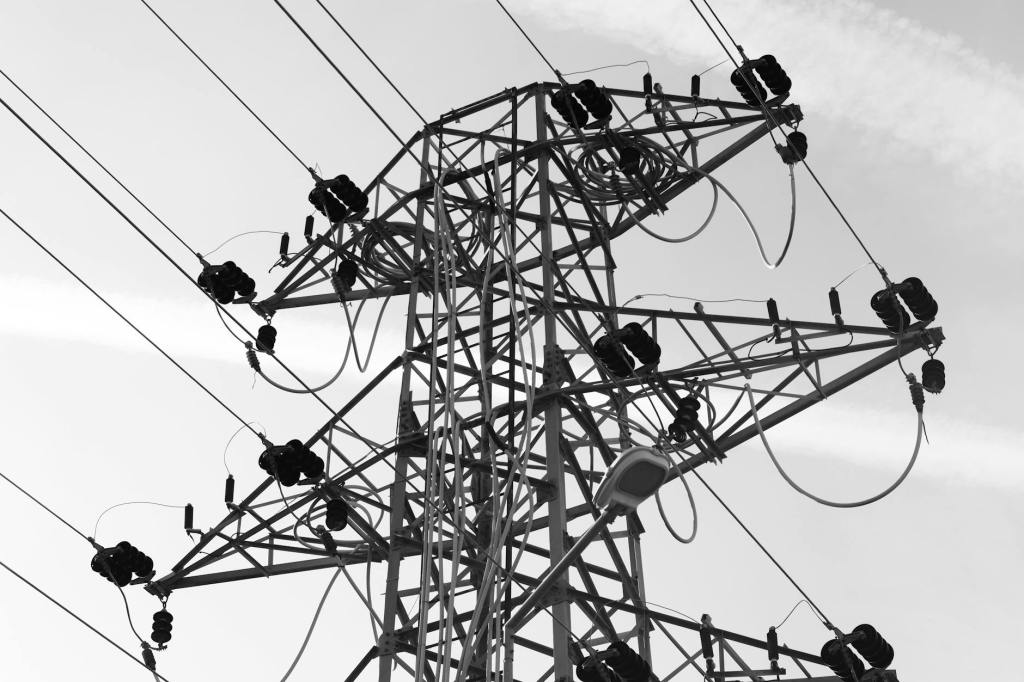
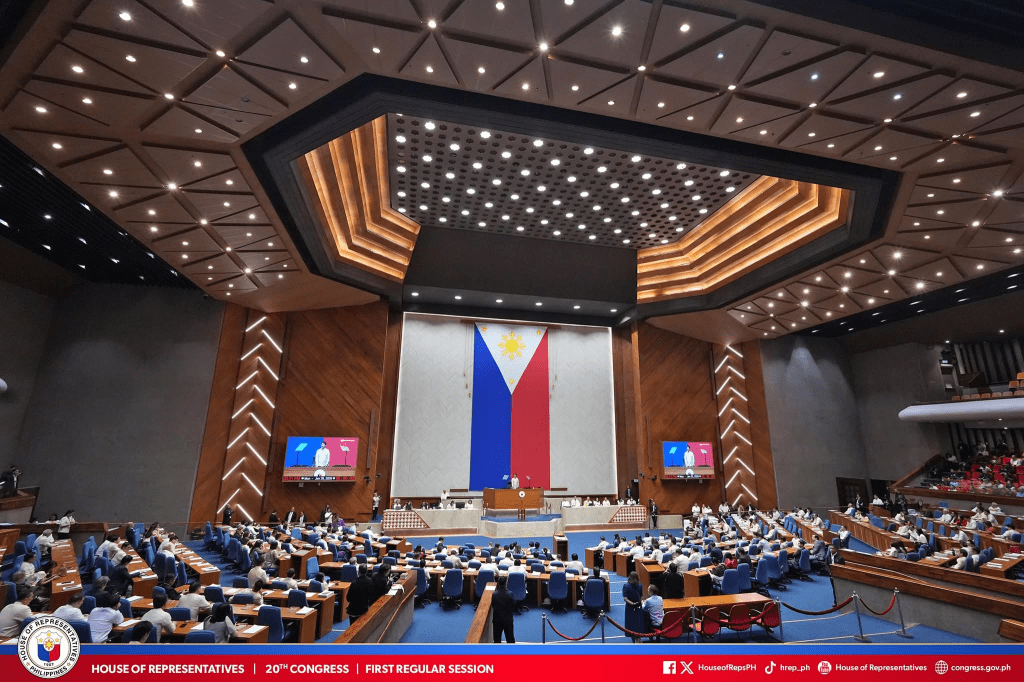
MANILA — The House of Representatives on Tuesday opened a congressional inquiry into the widespread power outages that hit millions of consumers across Luzon and the Visayas on May 13.
The joint hearing of the House Committee on Energy and the House Committee on Legislative Franchises examined the cascading tripping of the Tayabas-Ilijan and Dasmariñas-Ilijan 500-kilovolt transmission lines, which triggered multiple red and yellow alerts across the Luzon and Visayas power grids.
The investigation was initiated through House Resolution 1024, authored by Speaker Faustino “Bojie” Dy III and Senior Deputy Speaker Ferdinand “Dinand” Hernandez, calling for a review of the major grid disruptions.
In his opening statement, Hernandez said the inquiry seeks to respond to public concern and strengthen the country’s energy infrastructure.
“This resolution is a call to action. Filipinos affected by these outages expect today’s discussion to be productive, transparent, and collaborative as we work together to strengthen our energy infrastructure and ensure a reliable power supply for every Filipino,” he said.
He added that the probe aims not only to determine technical failures but also to ensure accountability and establish safeguards against similar incidents in the future.
“This inquiry should remain constructive, solution-oriented, and responsive to the concerns of the public. Our mandate today is to determine what failed, why it failed, and what measures must be put in place to prevent similar incidents from happening again,” he said.
Hernandez said repeated transmission failures have significant economic impacts, particularly as households and businesses continue to face inflation and rising costs.
He noted that more than 3.9 million consumers in Metro Manila, Batangas, Cavite, Laguna, and Rizal were affected by Manual Load Dropping during the outage.
“Every time the lights go out, businesses incur losses, households are disrupted, and our economy, already grappling with inflation and global volatility, takes another avoidable hit,” he said.
He also called for stronger coordination among the Department of Energy, the National Grid Corporation of the Philippines, and industry stakeholders to improve response times and crisis management during grid disturbances.
“When these failures occur, the public rightfully demands accountability from government. That is why we must move beyond reactive responses and work toward a more proactive and resilient energy system,” he said.
“The DOE must have real-time visibility and timely coordination with the grid operator to ensure faster response, clearer communication, and better crisis management.”
The House inquiry will focus on technical accountability, grid resilience, coordination protocols, and supply security, as well as ancillary services, as lawmakers seek to prevent future large-scale power disruptions.


 Republika News
Leave a comment